Trading: A Simple and Effective Approach to Success
· based on the channel Tori Trades
Key takeaways
- Trading does not require a finance degree or advanced math skills.
- Trendlines are a core element of effective trading strategies.
- Managing risk and quick decision-making are crucial in volatile markets like gold futures.
- Entry and exit points can be clearly defined using simple trading systems.
- Tracking trades systematically improves consistency and results.
Trading is often perceived as complicated, but it can be approached simply and effectively by focusing on clear strategies rather than complex theories. A straightforward trading system, like the one shared by Tori Trades, emphasizes practical tools such as trendlines and defined entry-exit rules, making trading accessible to anyone interested. For those looking to start or improve their trading journey, joining relevant waitlists such as Tori Trades waitlist for bonuses and updates can be highly beneficial.
Understanding the Basics of Trading
Trading involves buying and selling financial instruments like futures, stocks, or forex to make a profit from price movements. Contrary to popular belief, trading success does not hinge on having an economics degree or being a math expert. Instead, it requires a disciplined system and understanding market behavior. Futures trading, in particular, allows traders to speculate on the price of commodities or indices with leverage, increasing both potential gains and risks.
Building a Simple Trading System
A simple trading system focuses on clarity and replicability. Key components include:
- Trendlines: Drawing lines connecting significant highs or lows to identify market direction.
- Entry Rules: For example, entering a trade when price bounces off a trendline or breaks through it.
- Exit Rules: Exiting trades when price action indicates a reversal or when a profit target or stop loss is hit.
- Risk Management: Placing stop losses just beyond trendline touches to protect capital.
Trendlines act as visual guides for market momentum and help traders decide when to enter or exit. Testing these rules on platforms like TradingView allows traders to validate strategies before risking real money.
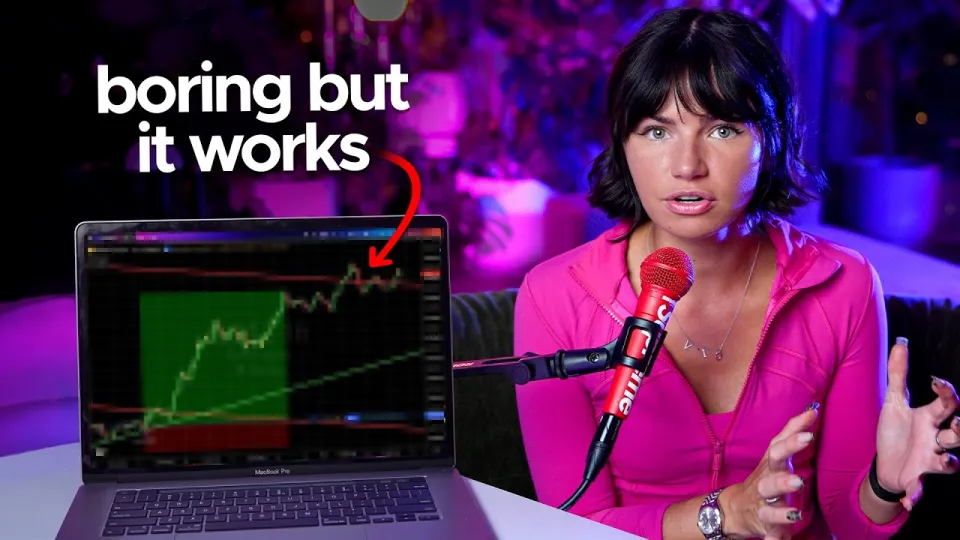
Video: Unfortunately, trading really is this simple
Managing Volatility and Risk
Markets like gold futures can be extremely volatile, with price swings happening in seconds. This requires traders to actively manage trades and exit quickly to avoid large losses. Successful traders monitor charts closely and adjust stops or exit points dynamically. Risk management strategies are essential to survive such volatility, including limiting contract size and using stop losses effectively.
Common Questions and Challenges in Trading
Many traders wonder where to place stop losses relative to trendlines, how to handle sudden market moves, or how futures trading differs from stocks. For example, placing stops slightly below a trendline bounce can protect against false signals, but the exact distance depends on the market’s volatility. Unlike stocks, futures markets can be more influenced by algorithms and can move rapidly, so fast decision-making and understanding liquidity are important.
Tracking Trades for Consistency
Consistently tracking trades helps traders learn from successes and mistakes. Tools like TradeZella, recommended by Tori Trades, provide structured tracking and analysis. Using discount codes such as TORI20 for yearly plans can make this more affordable. Keeping detailed records enhances discipline and helps identify patterns or needed adjustments in strategy.
Useful Links
- Join Tori Trades Waitlist for Bonuses and Updates
- TradeZella Trading Journal
- TradeStation Broker Link
- Tori Trades Instagram
- Tori Trades Facebook
Conclusion
Trading can be simple and approachable by focusing on practical strategies like trendline analysis and clear entry-exit rules. Volatility and risk management are critical, especially in futures markets. Tracking trades systematically improves consistency and learning. The channel Tori Trades provides valuable insights and tools for traders seeking real-world, tested advice. To get started or improve your trading skills, consider joining the Tori Trades waitlist for exclusive resources and updates.
Questions & answers
Do I need a financial degree or advanced math skills to succeed in trading?
No, successful trading does not require a financial degree or advanced math. A simple, well-defined trading system focusing on market behavior and risk management is more important.
How should I place stop losses when trading with trendlines?
Stops are typically placed just beyond the trendline or recent swing points to protect against false breakouts, but the exact distance depends on the market's volatility and your risk tolerance.
What makes futures trading different from stock trading?
Futures trading involves contracts with leverage and can be more volatile due to high liquidity and algorithmic trading. This requires faster decision-making and stricter risk management compared to stocks.
How can I track my trades effectively to improve?
Using a trade journal or tracking tool like TradeZella helps record and analyze trades systematically, allowing you to learn from patterns and make informed adjustments to your strategy.
Source: Unfortunately, trading really is this simple · Markdown version